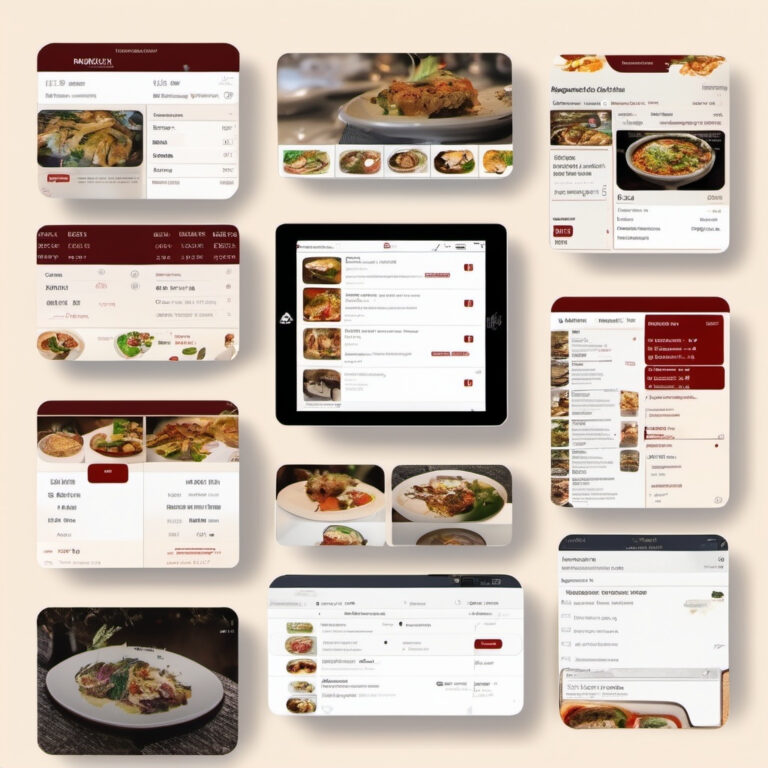
In today’s fast-moving restaurant industry, having the right ordering system isn’t just a nice-to-have—it’s essential. Whether you’re a quick-service joint moving lines fast or a full-service concept juggling dine-in and takeout orders, your ordering system directly affects customer experience, operational efficiency, and ultimately, your bottom line.
But not all restaurant ordering systems are created equal. With so many options out there—from off-the-shelf apps to fully integrated solutions—how do you know which one is right for your restaurant?
Let’s break down the main types of restaurant ordering systems and what to look for as you evaluate your options.
1. Online-Only Ordering Platforms
These third-party platforms—think Uber Eats, DoorDash, and Grubhub—make it easy to start taking online orders with zero development time. They offer built-in customer bases and broad visibility, which can be helpful for exposure, especially when you’re starting out.
However, the trade-off is steep. High commission fees (sometimes up to 30%) cut deeply into your profits, and customer data often stays with the platform—not with you. If you’re looking to build long-term customer relationships or maintain healthy margins, relying solely on third-party platforms may not be sustainable.
2. In-House Ordering Systems
These systems live on your restaurant’s website or mobile app and allow customers to order directly from you. They offer far more control over branding, pricing, and customer data—and you don’t have to hand over a chunk of every sale to a middleman.
In-house systems also give you the flexibility to create custom upsells, launch loyalty programs, or send personalized offers based on customer behavior. The key here is integration. Your ordering system should talk to your POS, your kitchen display system, your CRM, and anything else that runs your business.
That’s where a platform like Pivot Up Technologies stands out. Our restaurant ordering system is built for seamless integration across your entire tech stack, giving you complete control while keeping operations smooth behind the scenes.
3. Hybrid Models
Some restaurants benefit from a hybrid setup—using both in-house and third-party platforms strategically. This approach can expand reach while still building a direct ordering channel. The success of this model depends on having a POS system and ordering platform that can sync all incoming orders in real time without creating chaos in the kitchen.
At Pivot Up, we help restaurants pull this off by integrating with leading third-party delivery services while anchoring everything to one central system. Orders from any source flow into your POS and are tracked with consistency—no double entry, no confusion.
What to Look For in the Right System
No matter which model fits your business, the best ordering systems have a few things in common:
- Ease of use for both staff and customers
- Integration with your existing tools (POS, CRM, loyalty, kitchen display)
- Real-time data so you can track trends and performance
- Customization options to match your brand and workflows
- Support from a team that understands restaurant operations
If your current system falls short on any of these, it may be time for a change.
At Pivot Up Technologies, we build ordering systems that don’t just process orders—they drive growth. Whether you’re just starting out or scaling across locations, we’ll help you design a solution that puts you in control and keeps your guests coming back.
Curious how we can help?
Stay connected with us and explore how we can support your business. Follow us on social media for the latest updates, insights, and success stories. Ready to take the next step? Click below to request a demo and discover how our solutions can elevate your restaurant. If you need assistance, our support team is here to help—just reach out, and we’ll be happy to assist you.
Request a demo today and let’s start planning your success together.